
Dental Articles - Brampton
Why Are “Calcium Deposits” on Your Teeth Bad for Your Smile?
Posted by Braydon Dental Care on Tue, 23 Dec 2025
Braydon Dental Care - Dentist Brampton
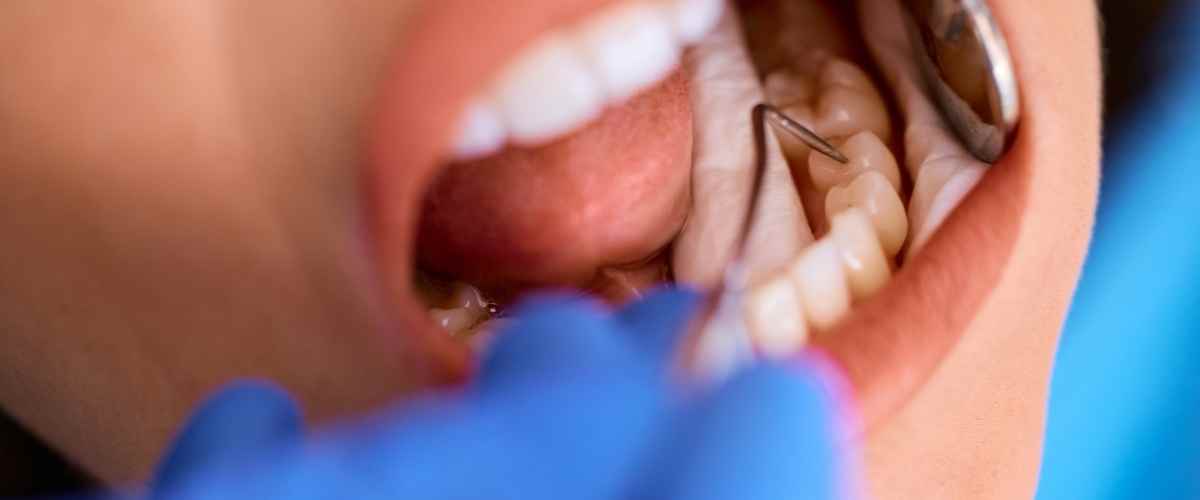
We all know that calcium is good for us. It’s the mineral that helps keep our bones and teeth strong.In fact, about 98% of the calcium in your body is stored in your skeleton.
But did you know that when calcium builds up on your teeth, it can actually cause problems? At Braydon Dental Care, we often see patients who are worried about hard, white, or yellowish spots on their teeth.These are often called “calcium deposits,” but in dentistry, they are known as tartar (or calculus).
Here is everything you need to know about these deposits and why they should be removed.
What Exactly Are Calcium Deposits?
Even though they look like calcium, these deposits actually start as plaque.Plaque is a sticky, invisible film of bacteria that forms on your teeth after you eat.
When plaque mixes with saliva, the minerals in your saliva cause it to harden.Once it hardens, it becomes tartar. Because saliva contains calcium, these hard spots are often called calcium deposits.
Why Do They Form in Specific Spots?
You may notice more buildup on the back of your lower front teeth or the outside of your upper molars.This happens because your salivary glands are located near these areas, constantly bathing them in mineral-rich saliva.
How Do I Know if I Have Tartar?
Unlike plaque, which you can brush away, tartar sticks to your teeth like cement.Common signs include:
- Discoloration: White, yellow, or brown spots along the gumline
- Rough texture: Teeth may feel crusty or rough when you run your tongue over them
- Red or bleeding gums: Tartar irritates the gums, especially during flossing
- Bad breath: Tartar traps bacteria that cause ongoing bad breath
The Risks: Why You Can’t Ignore Tartar
When tartar stays on your teeth, it becomes a home base for bacteria.Over time, this can lead to:
- Gum disease: Irritation, swelling, and gum recession
- Cavities: Bacteria produce acids that weaken tooth enamel
- Tooth loss: In severe cases, infection can damage the bone supporting your teeth
Can I Remove Tartar at Home?
The short answer is no. Once plaque hardens into tartar, brushing and flossing are no longer enough.While you may see DIY tartar removal kits online, they are not safe.
Using metal tools at home can:
- Scratch and damage tooth enamel
- Injure sensitive gum tissue
- Increase the risk of infection
The only safe way to remove tartar is through a professional dental cleaning.Dental hygienists use specialized tools, including ultrasonic scalers, to remove tartar gently and safely.
How to Prevent Tartar Buildup Between Visits
While tartar cannot be removed at home, you can slow down how quickly it forms by following good daily habits:
- Brush twice a day using fluoride toothpaste
- Floss daily to remove plaque between teeth
- Limit sugary and starchy foods
- Drink plenty of water to support healthy saliva
Visit Braydon Dental Care in Brampton
If you have noticed rough spots, staining, or gum irritation, it may be time for a professional cleaning.Regular dental visits help keep your smile bright and your gums healthy.
Ready for a cleaner, healthier smile? Contact Braydon Dental Care in Brampton today to schedule your next cleaning and exam.
Dentist Brampton