
Dental Articles - Brampton
Mouthwash Actually Necessary? A Dentist’s Guide to the Best Rinse
Posted by Braydon Dental Care on Wed, 28 Jan 2026
Think your mouthwash is doing the heavy lifting? Learn the difference between cosmetic and therapeutic rinses, plus the 5 ingredients our Brampton dentists recommend for a healthier smile.
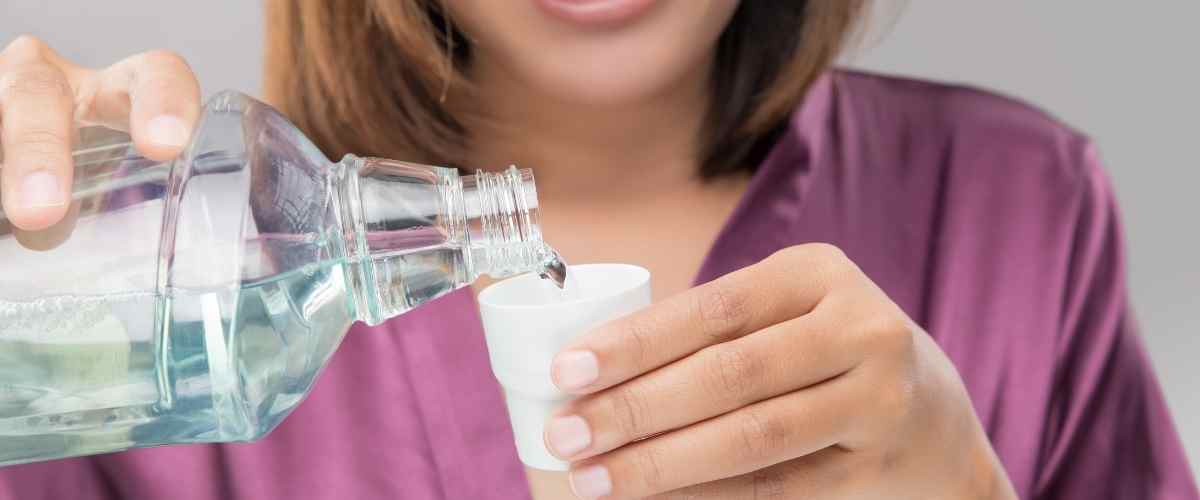
Finding the Right Rinse for Your Routine
We all know the golden rules of dental hygiene: brush twice a day and don’t skip the floss. But when it comes to that colorful bottle of mouthwash sitting on your bathroom counter, the advice can feel a bit murky.
Is it a must-have, a "nice-to-have," or something that might actually be doing more harm than good? At Braydon Dental Care, we believe that understanding what’s in your bottle is the first step toward a healthier smile for our Brampton neighbors.
Cosmetic vs. Therapeutic: What’s the Difference?
Not all mouthwashes are created equal. According to the ADA, they generally fall into two categories:
- Cosmetic Mouthwash: These are great for a quick hit of minty freshness. They temporarily mask bad breath but don't offer long-term health benefits.
- Therapeutic Mouthwash: These contain active ingredients designed to fight bacteria, strengthen enamel, or soothe pain. These are the heavy hitters that can actually make a difference in your oral microbiome.
Decoding the Ingredients Label
Before you buy, check the label for these specific active ingredients:
| Ingredient | Benefit |
|---|---|
| Fluoride | Strengthens enamel and prevents cavities. |
| Chlorhexidine | Treats gingivitis and prevents plaque (Prescription). |
| Peroxide | Surface whitening and germ-killing. |
| Xylitol | Best for struggling with dry mouth. |
| Cetylpyridinium chloride | Targets bacteria that cause bad breath. |
The "Foe" Factor: Potential Side Effects
Watch out for the Microbiome: Some strong antibacterial rinses can’t distinguish between "good" and "bad" bacteria. Overusing them can disrupt your mouth’s natural balance.
Other common side effects include:
- Dry Mouth: Often caused by high alcohol content.
- Staining: Certain prescription rinses can cause surface stains if used too long.
- Acidity: Low pH rinses can erode enamel. Look for alkaline options.
Pro-Tips for Your Routine
It’s Not a Substitute: Mouthwash should complement brushing and flossing, never replace them.
- Age Matters: Children under six should avoid mouthwash entirely.
- Check the Alcohol: Switch to alcohol-free if you have dry mouth or canker sores.
Get Personalized Advice in Brampton
The best way to know if your rinse is a "friend" or a "foe" is to ask a professional.
Contact Braydon Dental Care today!
Dentist Brampton